

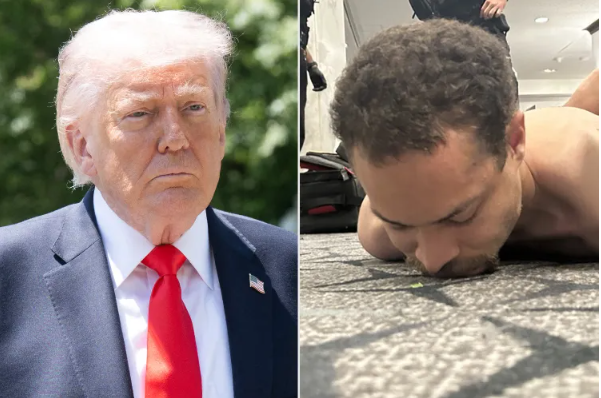
Cole Allen, 31, was charged with attempting to assassinate the president of the United States as well as two federal gun charges
Cole Allen, a 31-year-old California man, now faces serious federal charges after authorities accused him of attempting to assassinate the President of the United States. The White House Correspondents’ Dinner suspect treated worse than Jan. 6 defendants discussion began during his federal court hearing in Washington D.C.
Officials also charged him with two federal gun offenses. The arrest followed an alleged attempt at the Washington Hilton Hotel during the high-security Correspondents’ Dinner event. Law enforcement described the incident as a major security breach involving multiple weapons.
Federal Judge Expresses Concern Over Jail Treatment of Cole Allen
A federal magistrate judge openly raised concerns about Allen’s detention conditions. The White House Correspondents’ Dinner suspect treated worse than Jan. 6 defendants comparison became central during the hearing in U.S. District Court.
Judge Zia Faruqui stated he had never seen Jan. 6 defendants placed under such restrictive measures. His comments highlighted potential inconsistencies in pretrial detention conditions across similar federal cases.
Judge Claims Unequal Treatment in Jail for White House Correspondents’ Dinner Suspect
The judge further questioned why Allen faced stricter confinement. The White House Correspondents’ Dinner suspect treated worse than Jan. 6 defendants issue raised concerns about fairness inside federal detention systems.
Faruqui emphasized that justice must apply equally. He suggested that differences in treatment could raise systemic questions within the criminal justice system and correctional oversight practices.
Controversy Grows Over Jail Conditions of White House Correspondents’ Dinner Suspect
Courtroom remarks quickly gained public attention. The White House Correspondents’ Dinner suspect treated worse than Jan. 6 defendants comparison sparked debate about jail consistency in high-profile federal cases.
Observers pointed out that transparency in detention practices is essential. Without it, public trust in federal institutions may weaken over time.
Suspect in White House Correspondents’ Dinner Case Faces Harsh Jail Treatment, Judge Rules
Defense attorneys argued that Allen faced extreme restrictions. The White House Correspondents’ Dinner suspect treated worse than Jan. 6 defendants issue centered on his placement in a “safe cell” under strict conditions.
Reports described constant lighting, padded walls, and limited movement. Attorneys claimed these conditions lacked justification under standard federal detention guidelines.
Court Raises Concerns Over Treatment of White House Correspondents’ Dinner Suspect
The court examined whether Allen’s conditions were appropriate. The White House Correspondents’ Dinner suspect treated worse than Jan. 6 defendants comparison remained a key issue during proceedings.
Judge Faruqui requested detailed explanations from prosecutors and jail officials. The court aimed to determine whether policies were applied fairly and consistently.
White House Correspondents’ Dinner Case Sparks Debate Over Jail Fairness
The case expanded beyond one defendant. The White House Correspondents’ Dinner suspect treated worse than Jan. 6 defendants discussion triggered broader debate on jail fairness nationwide.
Legal experts emphasized that equal treatment must apply regardless of political or media attention. This principle remains central to constitutional protections.
Judge Questions Custody Conditions of White House Correspondents’ Dinner Suspect
The judge specifically questioned Allen’s placement under suicide watch. The White House Correspondents’ Dinner suspect treated worse than Jan. 6 defendants issue appeared again during review of detention records.
Allen’s attorneys argued he was not a suicide risk. They claimed restrictions went beyond necessary safety protocols.
Legal Dispute Emerges Over Treatment of Suspect Compared to Jan. 6 Defendants
Defense lawyers compared Allen’s treatment with Capitol riot defendants. The White House Correspondents’ Dinner suspect treated worse than Jan. 6 defendants argument became part of legal filings.
They claimed Jan. 6 detainees received less restrictive housing. This comparison strengthened claims of unequal treatment.
White House Correspondents’ Dinner Suspect Claims Unequal Jail Conditions
Defense motion documents described strict confinement conditions. The White House Correspondents’ Dinner suspect treated worse than Jan. 6 defendants claim included constant lockdown and limited privileges.
Allen reportedly could not use a jail tablet or receive visitors. Only attorney contact was allowed during detention.
Judge Highlights Possible Disparity in Treatment Inside Jail System
Judge Faruqui noted possible inconsistencies in correctional practices. The White House Correspondents’ Dinner suspect treated worse than Jan. 6 defendants comparison raised systemic concerns.
He questioned whether similar treatment occurs in other federal cases. His remarks highlighted broader issues in correctional facility standards.
White House Correspondents’ Dinner Case: Court Examines Jail Conditions
Court officials reviewed detailed jail reports and defense filings. The White House Correspondents’ Dinner suspect treated worse than Jan. 6 defendants issue remained central to evaluation.
Authorities examined whether safety protocols justified restrictive measures. The case continues to move through federal judicial review.
Debate Intensifies Over Treatment of Political Case Detainees
The hearing sparked wider national discussion. The White House Correspondents’ Dinner suspect treated worse than Jan. 6 defendants issue became part of political and legal debate.
Experts warned against unequal application of detention policies. Fair treatment remains a key principle in federal law enforcement systems.
Judge Compares Suspect’s Jail Experience to Jan. 6 Defendants
Judge Faruqui directly referenced Capitol riot detainees. The White House Correspondents’ Dinner suspect treated worse than Jan. 6 defendants comparison highlighted differences in confinement conditions.
He noted that Jan. 6 defendants were housed in less restrictive facilities. This contrast raised questions about consistency in federal detention practices.
White House Correspondents’ Dinner Arrest Sparks Legal Controversy
The arrest of Cole Allen created immediate legal controversy. The White House Correspondents’ Dinner suspect treated worse than Jan. 6 defendants narrative gained attention in legal circles.
Authorities continue reviewing evidence related to the alleged assassination attempt and firearm charges. The case remains under active federal prosecution.
Court Scrutinizes Custody Conditions in High-Profile White House Case
The court continues to evaluate Allen’s detention status. The White House Correspondents’ Dinner suspect treated worse than Jan. 6 defendants issue remains under judicial scrutiny.
Officials aim to ensure compliance with federal standards. The case highlights ongoing concerns about fairness and consistency in the U.S. justice system.