 11
11
Donald Trump’s return to Beijing highlights how dramatically China has changed since 2017. During his earlier visit, Chinese President Xi Jinping welcomed him with extraordinary ceremony inside the Forbidden City. Today, China no longer seeks symbolic equality with Washington because Beijing already sees itself as a major global force shaping diplomacy, trade, and technology.
Across China, giant renewable energy projects, modern rail systems, and high tech manufacturing zones reveal Beijing’s long term ambitions. Analysts now describe China as America’s strongest competitor in modern history. The country’s expanding economic footprint across Asia, Africa, and Europe continues reshaping alliances and altering the balance of global influence.
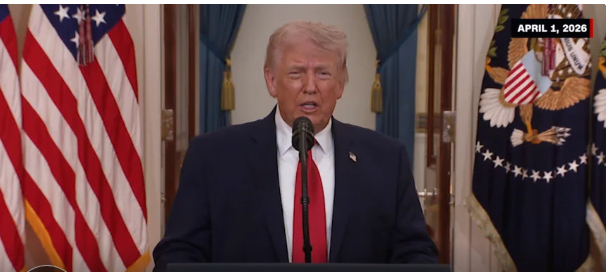
Donald Trump arrives in Beijing facing a far more confident China than the one he encountered years ago. Xi Jinping, now firmly established in a historic third term, continues pushing investments into artificial intelligence, robotics, and renewable technology while encouraging economic self reliance against Western pressure.
Chinese officials no longer feel the need to prove equality with the United States. Instead, Beijing presents itself as an alternative global center of power. Trump’s unpredictable diplomacy and tariff threats remain a concern for Chinese leaders yet many citizens believe his earlier trade wars indirectly strengthened China’s long term position.
Relations between Washington and Beijing now stretch far beyond tariffs. Taiwan, semiconductor restrictions, military expansion, cybersecurity concerns, and the growing conflict involving Iran all dominate diplomatic conversations between both governments. The rivalry increasingly reflects a struggle over future global leadership rather than a simple trade dispute.
The Biden administration previously restricted advanced semiconductor exports to China in an attempt to slow Chinese AI development. Trump later softened some of those restrictions by allowing limited sales from American chipmaker Nvidia. Even so, technological competition remains intense as both nations race for dominance in next generation industries.
| Sector | United States | China |
|---|---|---|
| Technology | AI chip restrictions | Domestic innovation |
| Trade | Tariffs and sanctions | Export diversification |
| Military | Indo Pacific alliances | Naval expansion |
| Diplomacy | Western partnerships | Global South influence |
China’s leadership spent years reducing dependence on American markets. Exports to the United States declined sharply while trade with Southeast Asia and the European Union expanded. Beijing also strengthened infrastructure links across Central Asia and Europe through massive railway and logistics investments.
At the same time, China increased its global soft power campaign. Easier visa policies and international tourism promotions aim to present a friendlier image abroad. Cities like Chongqing now attract millions of foreign visitors eager to experience futuristic skylines, advanced transport systems, and the country’s rapidly modernizing urban culture.
Xi Jinping’s China projects confidence through economic resilience and technological ambition. Despite slowing growth and a troubled property market, Beijing continues pouring billions into strategic industries. Leaders believe long term planning will eventually outweigh short term economic pressures caused by tariffs and geopolitical instability.
Many Chinese citizens remain cautious discussing politics publicly because of strict state oversight. However, some openly criticize Trump’s “America First” policies and blame global uncertainty on rising tensions between superpowers. Others still admire America’s creativity, freedom, and educational opportunities despite worsening diplomatic relations between both countries.
Trade disputes once defined Trump’s relationship with China and they may again dominate negotiations during this visit. Tariffs on Chinese goods disrupted global supply chains and forced companies worldwide to rethink manufacturing strategies. Beijing responded by accelerating domestic innovation and reducing dependence on American markets.
China’s electric vehicle industry now symbolizes that shift toward self reliance. Chongqing leads national car manufacturing and supports China’s rise as the world’s largest vehicle producer. Local companies increasingly target European and Asian markets while using rail connections through Central Asia to strengthen international exports.
China’s ambitions now extend far beyond economics. Beijing positions itself as a global mediator capable of influencing conflicts in the Middle East and beyond. Trump hopes China may help reduce tensions involving Iran because Beijing maintains close economic and political ties with Tehran.
Meanwhile, Xi Jinping uses this summit to reinforce China’s image as a stable international partner. As Western allies confront unpredictable American tariffs and shifting foreign policies, Beijing continues welcoming global leaders while presenting itself as open for trade, investment, and long term cooperation.
China’s transformation becomes especially visible in Chongqing, often described as the country’s “cyberpunk city.” Towering skyscrapers, stacked highways, glowing neon skylines, and rail systems moving through residential towers symbolize Beijing’s futuristic vision for urban development and technological modernization.
Yet behind that impressive image lies economic pressure. Local governments face mounting debt while unemployment and falling house prices hurt consumer confidence. Even so, China’s leadership continues emphasizing industrial expansion, advanced manufacturing, and renewable energy as pillars supporting future national growth and geopolitical influence.
The relationship between Donald Trump and Xi Jinping combines personal diplomacy with strategic rivalry. Trump believes direct negotiation can secure economic victories for the United States. Xi, however, focuses on long term national planning designed to reduce foreign dependence and strengthen Chinese influence globally.
Chinese analysts now see Trump as both a challenge and an opportunity. Online, some jokingly call him “Trump the nation builder” because they believe his divisive foreign policies weakened America’s international standing while indirectly helping China rise faster on the global stage.
| Leader | Approach | Goal |
|---|---|---|
| Donald Trump | America First policies | Economic leverage |
| Xi Jinping | Long term planning | Global influence expansion |
Global investors closely monitor every meeting between Washington and Beijing because both economies shape worldwide trade flows. Tariffs, semiconductor restrictions, and geopolitical tensions affect everything from manufacturing costs to energy prices and financial market stability across continents.
Despite rising rivalry, both nations remain deeply interconnected economically. China still depends on advanced American technology while the United States relies heavily on Chinese manufacturing networks. This complicated relationship creates uncertainty for businesses worldwide as governments balance competition with the need to avoid direct confrontation.