 11
11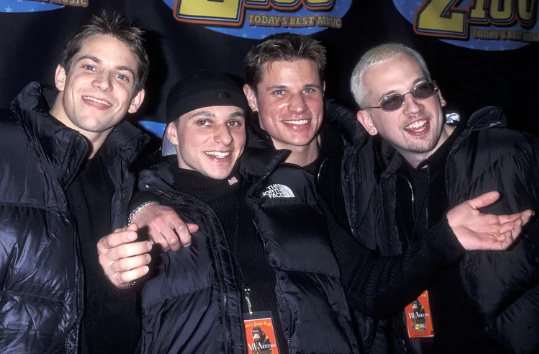
Singer Jeff Timmons, a founding member of the American boy band 98 Degrees, has shared insights into the group’s early formation and the unconventional beginnings before they achieved mainstream success.
Speaking on The Dory Jackson Interview series, Timmons discussed how the group initially lacked direction and was not taken seriously in its earliest stages.
Timmons revealed that the group originally experimented with several names before settling on their final identity.
One of the earliest versions of the band was humorously called “Four Tools in a Box,” a name that reflected their casual and non-serious approach at the time. The group also referred to themselves as “The Four Tools,” while adopting a grunge-inspired style that contrasted with their harmony-driven music.
According to Timmons, the early image included casual clothing, flannel outfits, and a relaxed aesthetic that did not match the vocal-focused direction they would later pursue.
Timmons explained that while he was interested in building a serious music career, not all original members shared the same level of commitment. Over time, lineup changes and collaborations led him to meet fellow Ohio native Nick Lachey, which helped shape the future of the group.
As the members relocated to California, producers encouraged them to adopt a more professional identity and rethink their branding.
During this period, the group briefly considered names such as “Just Us,” which was suggested based on their shared identity as a group without defining characteristics.
Eventually, the name “98 Degrees” was chosen after suggestions from people close to their team, which the group found appealing and memorable.
Timmons acknowledged that the name played an important role in shaping their brand identity and contributed to their commercial success.
Reflecting on the late 1990s boy band era, Timmons described the music industry as highly competitive but also noted a sense of mutual respect among artists.
He mentioned groups such as *NSYNC and the Backstreet Boys, explaining that although competition existed publicly, there was also camaraderie behind the scenes among performers navigating similar careers.
Timmons also spoke about the emotional aspects of fame, noting that success in the entertainment industry often comes with feelings of isolation and pressure.
He explained that pursuing a non-traditional career path can sometimes create distance from friends and family, leading to self-doubt and personal challenges, especially during the early stages of success.
Despite these difficulties, he emphasized that he maintains respect for fellow artists who experienced similar journeys in the music industry.
Looking back, Timmons highlighted the shared bond among boy band members and the lasting impact of that era in pop music history, describing it as a unique experience that continues to connect artists even years later.