
 11
11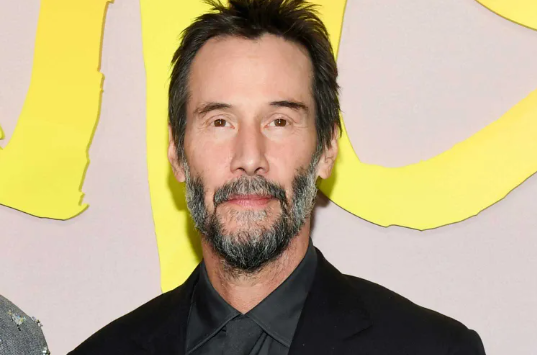
Actor Keanu Reeves, aged 61, has formally requested a judge to consider mercy in the sentencing of filmmaker Carl Rinsch, who was convicted of fraud involving funds obtained from Netflix.
Reeves submitted a letter to Judge Jed S. Rakoff in New York, asking that Rinsch’s upcoming sentence be handled with compassion and leniency alongside justice.
Carl Rinsch, aged 50, was found guilty on charges of wire fraud and money laundering in a case connected to an $11 million budget provided by Netflix for a television project.
The conviction followed allegations that Rinsch misused production funds originally intended for a series titled White Horse, which was never completed.
He is scheduled for sentencing on June 29, with prosecutors expected to submit recommendations by June 16.
According to court statements, Rinsch allegedly diverted millions of dollars from the production budget for personal use.
Reported expenditures included luxury goods, expensive vehicles, credit card payments, furniture, antiques, and high-end watches. Prosecutors also stated that a significant portion of the funds was lost through speculative financial investments.
Netflix reportedly invested approximately $44 million in the project, later sending an additional $11 million after further financial requests from the filmmaker.
Reeves worked with Carl Rinsch on the 2013 historical film 47 Ronin, in which he played a lead role set in feudal Japan.
In his statement, Reeves described Rinsch as an “exceptional artist” and referenced their continued professional relationship and friendship following the film’s production.
He also noted that he had attended Rinsch’s wedding in Uruguay in 2014 and had seen early versions of the unfinished project White Horse.
In his letter, Reeves emphasized that while he is not involved in the legal proceedings, he is speaking as a friend and artistic collaborator.
He acknowledged the seriousness of the charges while suggesting that Rinsch is capable of creative work but may struggle with self-destructive tendencies.
Reeves asked the court to consider leniency, describing it as a “healing” approach alongside appropriate legal consequences.
Rinsch’s sentencing is scheduled for June 29. Prosecutors are expected to request financial restitution to Netflix, along with additional compensation for legal expenses.
The court is expected to finalize penalties following the upcoming sentencing hearing.
The Netflix-backed series White Horse was intended to be a major production but was never completed. Investigators claim that funds intended for production were instead redirected for personal and speculative use, leading to the current criminal conviction.
The case continues to draw attention due to the involvement of a high-profile actor and the large-scale financial mismanagement allegations tied to a major streaming platform production.